Financial Website Content – 10 Writing Tips to Keep in Mind
When it comes to finances, every word matters. A misplaced decimal, an outdated regulation, or a confusing explanation can be
Home » Blog

When it comes to finances, every word matters. A misplaced decimal, an outdated regulation, or a confusing explanation can be

Content Marketing for Financial Services in 2026 (How to Get It Right)
Lead with trust + compliance: fact-checked, regulation-safe content (SEBI/RBI/FEMA, disclaimers).
Make content educational, not salesy: explain loans, investing, taxes, risk, and myths in simple language.
Put customers at the centre: answer real FAQs, pain points, and life goals with clear guidance.
Use multi-format content: blogs, explainer videos, infographics, calculators, webinars, newsletters.
Balance SEO + accuracy to stay discoverable and credible.
Tell stories & case studies to humanize money and show real outcomes.
Track results with leads, engagement, and trust signals, then refine.
It takes special skill to develop engaging and quality content at scale to promote your fintech and financial services brand. You need a strong company like Textuar by your side if you want your content marketing strategy to succeed in 2026 and beyond.

The old days of stuffing keywords and exact matching in content is long gone. Today’s marketers place immense emphasis on

SEO blog writing isn’t about stuffing keywords. It is about aligning search intent, structure, and human-focused storytelling to rank and retain readers. This blog explains the fundamentals of effective SEO writing, including keyword research, heading hierarchy, metadata, long-form scannability, linking, and content updates. It also highlights Textuar’s writing methodology where AI is used as a support tool, not a replacement, ensuring originality and depth. The takeaway: blogs must satisfy both Google and actual readers to earn visibility, trust, and conversions over time.

As a niche business owner, you would know about the immense importance of strategic niche content marketing for it. You

A good e-commerce product description does wonders. When a buyer thinks of purchasing an item, what you say about your

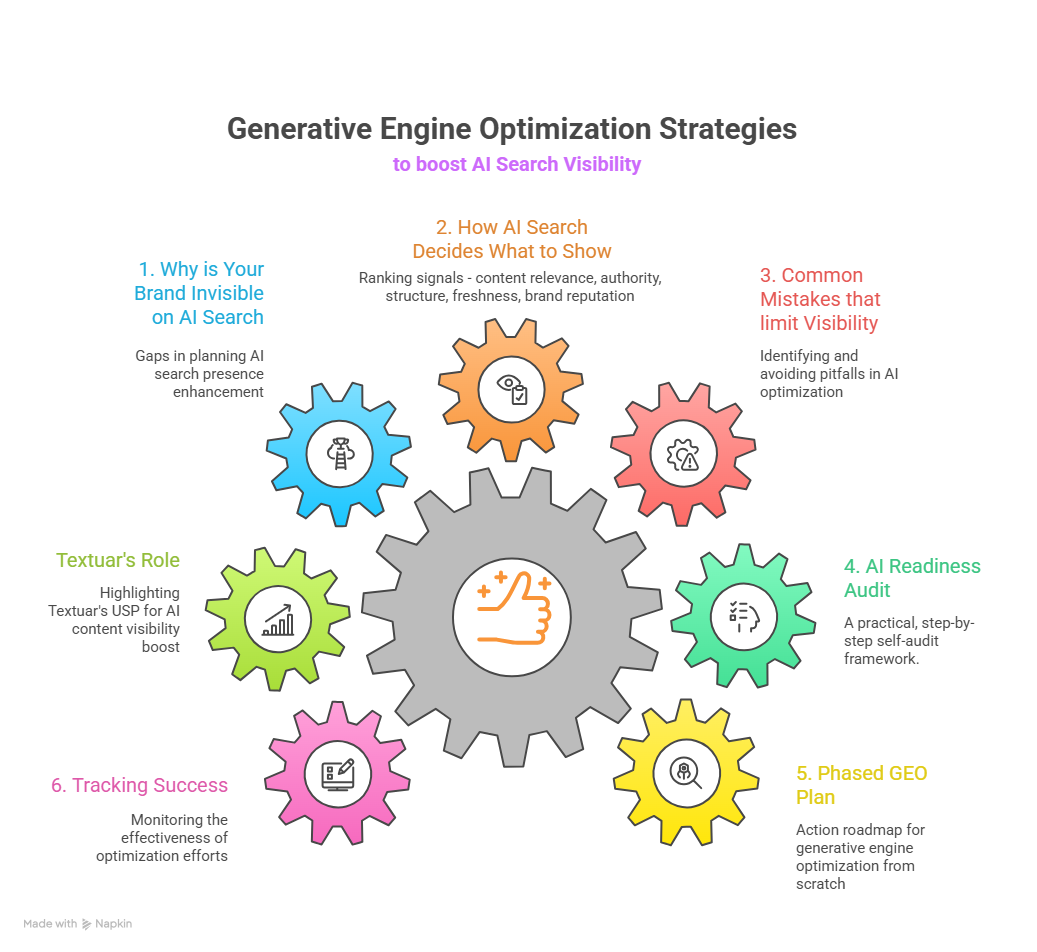
To win in AI search visibility, you must implement Generative Engine Optimization. This means moving beyond keywords and directly answer specific queries and earning third-party citations. This blog covers-
• Why Your Brand Is Invisible to AI Search (Even If Google Loves You) – We cover the issue as a visibility gap, not an SEO gap.
• How AI Search Actually Decides What to Surface – We look at the core ranking signals (content relevance, authority, structure, freshness, brand reputation)
• The 5 Mistakes That Are Killing Your AI Visibility – We check common failure points that can be eliminated with generative engine optimization
• How to Audit Your Brand for AI Search Readiness – Here, we explore a practical, step-by-step self-audit framework.
• A Phased Plan to Rebuild Your AI Search Visibility – You also see a solid action roadmap for generative engine optimization from scratch.
• How to Track Whether It’s Working
• Why Textuar is Ideal for Your Generative Engine Optimization Content Needs

This case study explains how SaaS SEO CTR optimization helped a mid-stage productivity software company convert visibility into real trial signups. The client was generating impressions on Google but wasn’t receiving clicks or conversions. Textuar reworked titles, metadata, content depth, structured data, technical performance, and intent alignment to match how SaaS buyers compare and evaluate tools.
In 90 days, the company achieved a 200% CTR uplift, jumped 18 SERP positions, captured rich-results, and improved demo and free trial signups. The study highlights why impressions alone don’t matter in SaaS; CTR, buyer intent, and demand framing determine actual conversions.

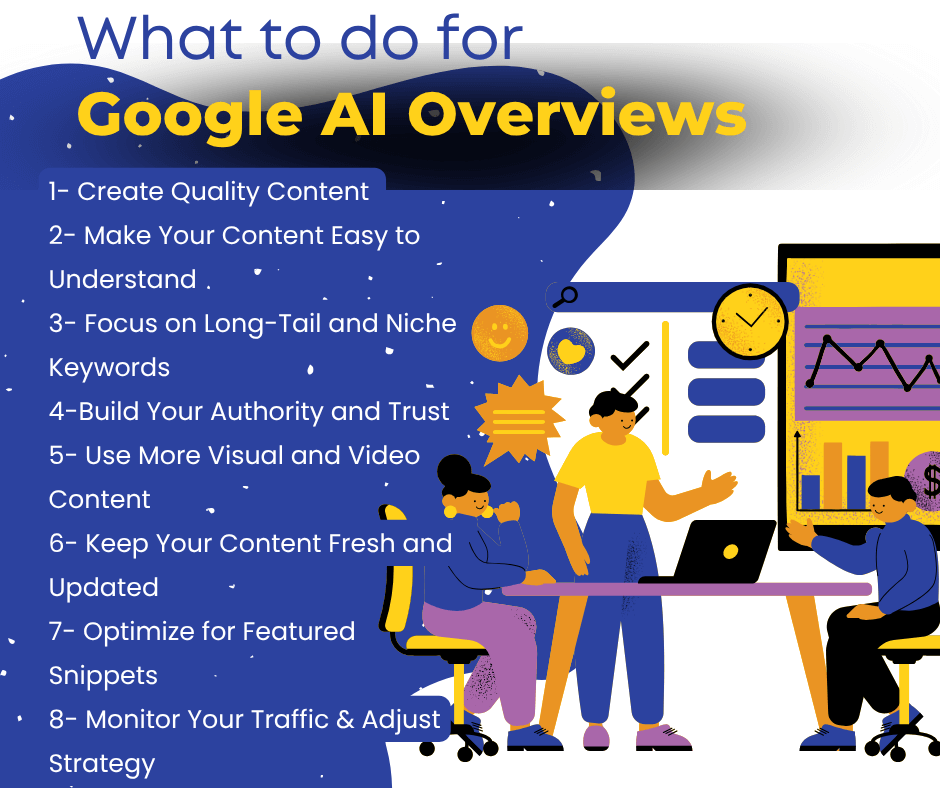
SEO for attorneys is the process of optimizing a law firm’s website, content, and local presence so potential clients can find, trust, and contact the firm through search engines and AI-powered platforms. It focuses on ranking for high-intent legal searches, appearing in local results, and being cited in answer engines like Google AI Overviews and ChatGPT.
Law firms that rank well focus on high-value legal keywords, strong on-page optimization, and local SEO that captures nearby, ready-to-hire clients. Modern legal SEO also requires optimizing content for AI Overviews and answer engines like ChatGPT through clear structure, FAQs, and credibility signals.
When done right, SEO delivers long-term, high-quality leads that outperform short-term ads and keep your firm discoverable as search continues to evolve.

Blogging for startups is a powerful growth engine in 2026. See why this is the case. Also check out-
–Key reasons startups should invest in blogging early
–Best-performing blog formats for startups, with real examples
–Step-by-step guidance on how to start a startup blog in 2026
–A practical checklist to launch and scale blogging consistently
–KPIs to measure blogging success beyond just traffic
–How Textuar helps startups turn blogging into a measurable lead engine

📌 TL;DR Summary- What is Covered? Guest posting still works for link building, but it can’t scale alone in 2026