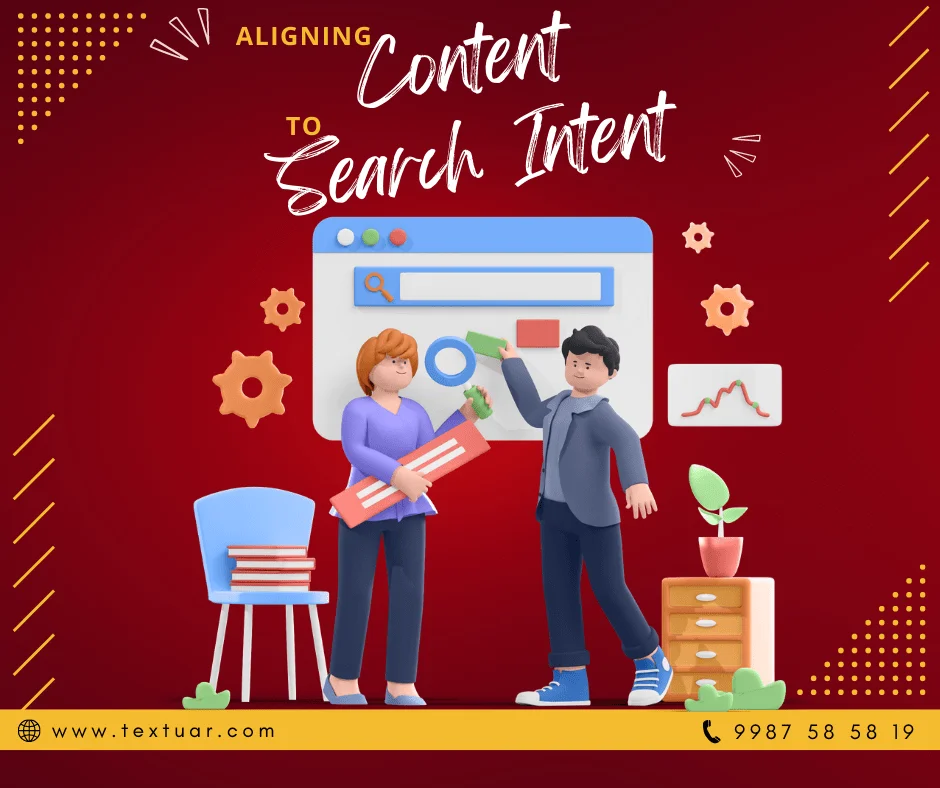
“What’s all the buzz around search intent?”, is a question asked by many exasperated content writers. As they struggle to adapt to evolving Google algorithm guidelines, search intent seems one of the many concrete ranking signals they need to contend with.
This blog will attempt to answer all queries around search intent and what content writers need to do to align with search intent.
What is search intent in SEO?
When you talk about search intent, remember Google’s core mantra to return results to search queries.
They want to serve the most relevant and valuable content to help them find answers to their search queries.”
This is why even when you type one or two wrong spelling in your query, Google is likely to decipher your query and still return the right result.
This happens because Google is able to discern your search intent.
It tries to understand the purpose behind your search query and thus returns appropriate results. Moz defines search intent as the “primary goal a user has when searching a query on a search engine”.
Why is search intent important in SEO?
As a customer-centric company, Google cares about its products like its search engine. It knows that the search engine is relevant only till the time it provides the right answers to searchers’ queries. And this can happen only when it is able to accurately determine the search intent.
This is why marketers and content writing companies need to factor in this aspect.
The more your content aligns with the search intent, the better will be its ranking on search engine results pages (SERPs)
What are the three types of search intent?
The underlying principles of search intent are directly tied to the buyer journey. So let us first look at a buyer journey.
A buyer journey is the transition of a casual searcher to a conversion.
Depending on what stage of the journey the buyer is in, she will be exposed to different forms of content. The aim is simple. Such content aligned to the search intent and buyer journey will help in smoother progress from site visit to purchase from the site.
1 – Informational
- This is an early-stage search process
- Customers are still trying to learn about a product
- Their goal is to find information on a product and learn more about it
- Content writers will create a lot of blogs, articles, and FAQ pages
- Examples of informational intent in search queries
- How to clean sneakers?
- SEO definition
- Tips to buy duffel bags
2 – Navigational
- This is a middle-stage search process
- Customers compare the product with others to fine-tune their pre-purchase research
- Their goal is to find the best product
- Content writers will create product guides, product comparisons, or top-10 guides that cover brand names
- Examples of informational intent in search queries
- Nike running shoe reviews
- Moz vs SEMrush
- Nike Duffel bags
- Facebook login
3 – Transactional
- This is a bottom-of-the-funnel search process
- Customers know which product to buy and are now ready to buy
- Their goal is to find the best/fastest way to buy the product
- Content writers will convince ready-to-buy customers with specific landing pages and clear call-to-action.
- Examples of transactional intent in search queries
- Buy lenovo yoga 128gb 6gb ram
- Best way to purchase sovereign gold bonds
- Download Canva for desktop

What does the SERP look like for the three types of search intent?
Google shows results in different ways depending on the search intent. For example, if you search “buy iPhone 12”, it won’t show any blogs or articles n the results page (indicating an informational intent).
It will, instead, show links to sites like Amazon, where you can buy iPhone 12. This is because Google determines that you have a transactional intent behind the search query.
SERP analysis is a great way to understand what Google wants to show for a particular intent in a search query.
1 – How does SERP look for informational intent in search
Suppose a user Googles “Tips to buy sneakers”
The SERP will show:
- Knowledge grabs in the form of articles and blog posts
- Related questions (“People also ask”)
- How-to guides
- Videos
2 – How does SERP look for navigational intent in search
Suppose a user Googles “Moz”
The SERP will show the below for Moz:
- PPC ads that have brand names in keywords
- Google Maps card for the brand
- Site links
- Knowledge cards
- Top stories
3 – How does SERP look for transactional intent in search
Suppose a user Google “buy lenovo yoga 128gb 6gb ram”
The SERP will show:
- Shopping carousel links to assist a ready-to-buy online shopper
- Reviews about products
- Paid ads that direct users to the page with a ‘Buy’ button
- Local stores on Google Maps that sell the product (for offline purchases)

How do content writers optimize content for search intent?
1 – Content for Informational Intent
The content writer needs to create the below types of educative content
- Blogs and articles
- FAQ pages
- Checklists
- In-depth Guides
- Step-by-step process
Keywords with information intent
- How to, Why, What, When, Who
- Benefits of, Questions to ask
- Best ways to…
- Step-by-step guide
2 – Content for Navigational Intent
The content writer will talk a lot about the actual brand name on different pages that have a high DA. Links to the company name on social media channels like LinkedIn and Instagram will radiate a sense of industry authority about the brand.
This approach in the middle stage will ensure acceleration at the bottom of the funnel, where the customer is ready to make a purchase.
They can place the keyword strategically on
- H1 tags
- Within 1st hundred words of the introduction
- Meta description
- Anchor text
- PPC ads and landing pages
Keywords with navigational intent
- <Name of actual brands>
- Directions to
- Price of
- Comparison
- Reviews
- Testimonials
3 – Content for Transactional Intent
Content writers can create helpful and insightful product pages. They have a strategically placed ‘add to cart’ or ‘buy now’ at the end.
This is the final stage for an already-convinced buyer to buy. So, there should not be any other clutter that can distract the ready-to-buy buyer from other products.
Keywords with transactional intent
- Buy, Order, Purchase
- Download, Subscribe
- Deal, Discount, Call for Demo
- Schedule/ Book an appointment
- Where to buy
- Shop now
To sign off
Google continues to improve its algorithm so that only the most relevant and accurate results are displayed to searchers. And this is where it factors search intent to determine if a particular page is relevant to a search query.
As content writers, we need to be aware of what is search intent and the three key types. We also need to know what type of content will come up top for a particular type of search intent.
This will help the SEO content writers to use the right keywords and the right type of content at the right place for a ranking boost.
Contact Textuar for targeted content writing services that add to your business bottom-lines.