📌 TL;DR Summary- What is Covered?
Guest posting still works for link building, but it can’t scale alone in 2026 as acceptance rates drop, costs rise, and publishers demand stronger value. Modern link building now relies on asset-led strategies that earn links because they’re genuinely useful instead of being pitched.
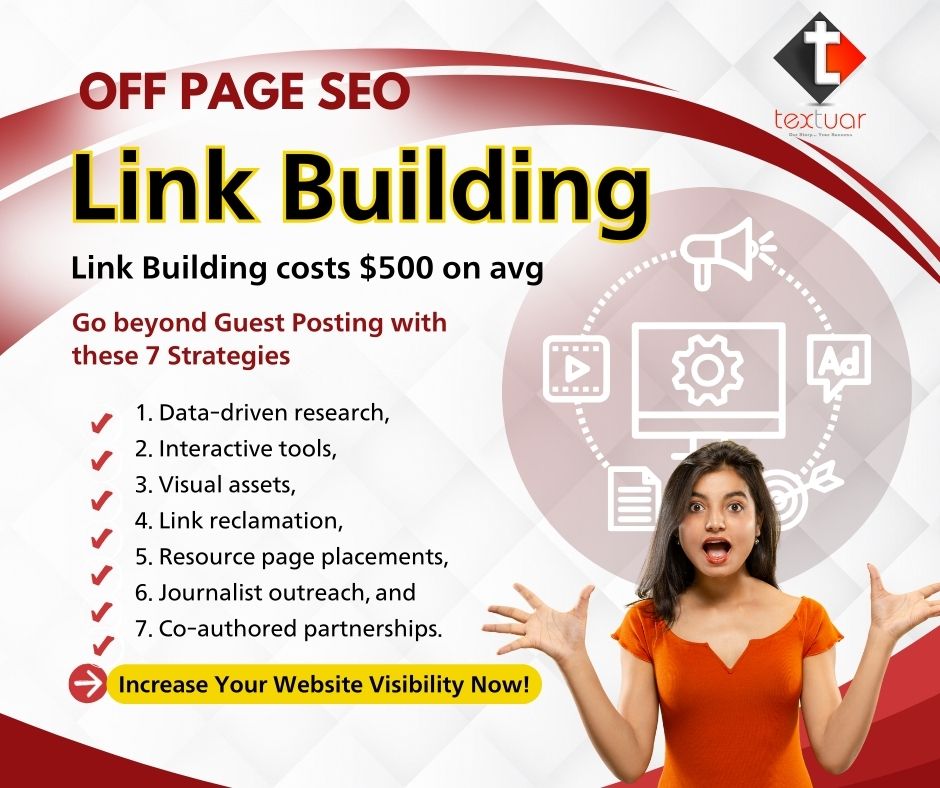
We look at the top 7 link building strategies
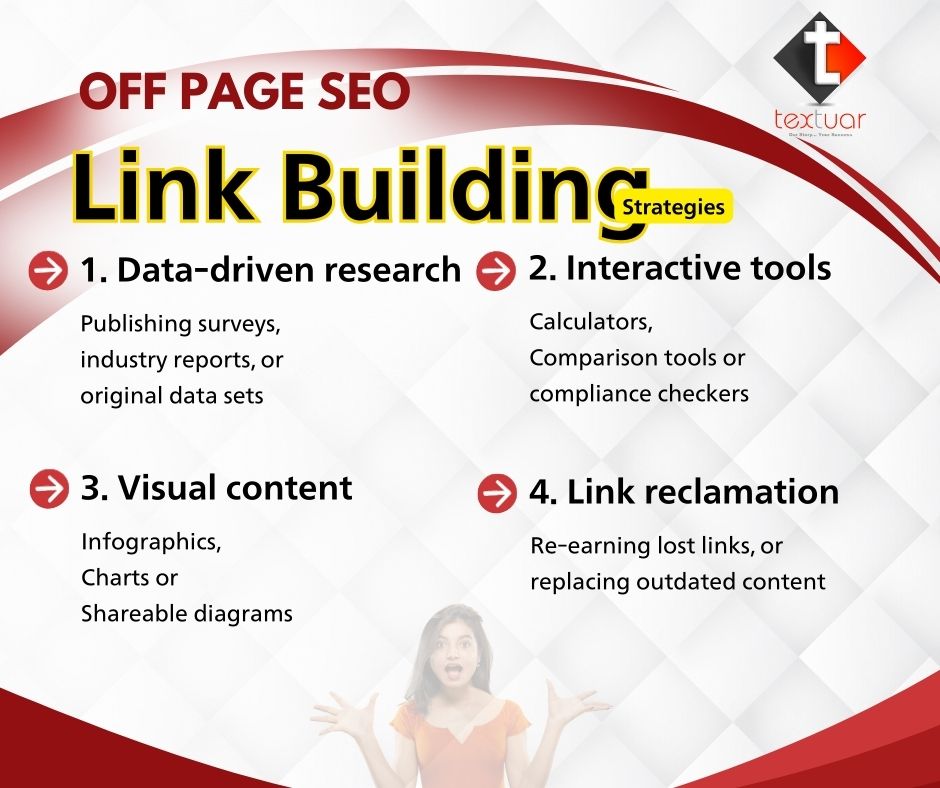
1. data-driven research,
2. interactive tools,
3. visual assets,
4. link reclamation,
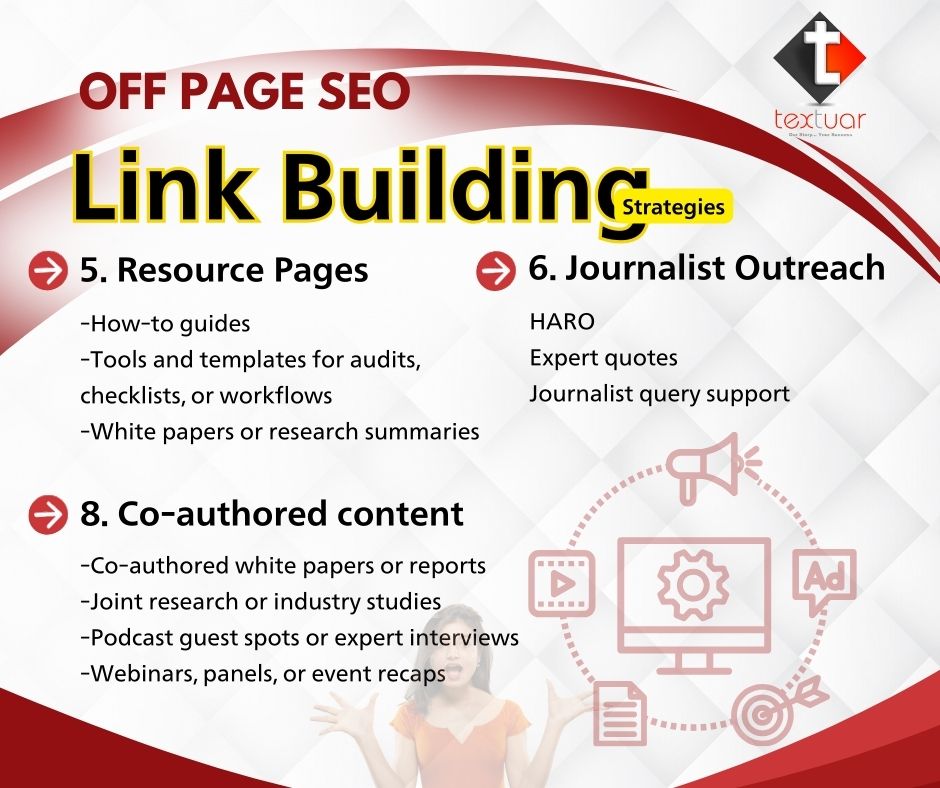
5. resource page placements,
6. journalist outreach, and
7. partnerships for co-authored content assets.
These approaches create long-term authority, stronger referral traffic, and natural link profiles that search engines trust. In a landscape where the average backlink costs over $500, brands must shift from article-based outreach to value-focused assets.
The world of search changes fast. However, many marketers still rely on the old model of guest posting. Yet as inboxes overflow and publishers grow more selective, this model cannot scale alone. Instead, a skilled marketer would need to adapt off-page SEO strategies effectively.
This is why they look at link building to generate authority and referral opportunities based on asset-based, value-first approaches as opposed to promotional articles and links overload.
Recent research in the 2025 “State of Link Building” report by Editorial Link indicates that the average acceptable cost for a single high-quality backlink now sits at US$508.95. This cost reflects growing barriers to traditional link acquisition. Therefore, teams seeking sustainable growth must adopt strategies beyond guest posts.
This blog outlines 7 scalable, non-guest-posting methods. Each method suits different types of businesses, such as SaaS, e-commerce and professional services, and relies on value generation, not exploitation. Each of these methods demands discipline. Also, they align with evolving standards of editorial quality and algorithmic trust.
Why Does Moving Beyond Guest Posting Matter?
Guest posting still works, but several factors undermine its scalability. First, acceptance rates now decline as more people compete for fewer slots. Secondly, many publications flag guest content as “sponsored,” stripping much of the SEO value.
Thirdly, scaling guest posts demands more writers, more editing and more approvals. And that increases cost and risk.
Therefore, continuing to rely heavily on guest posts becomes unsustainable. In contrast, asset-based strategies deliver links that are often more authoritative and generate referral traffic. They rely on usefulness rather than placement.
These methods encourage trust. They tend to align with editorial standards. Over time, they produce a more natural link profile.
Top Seven Effective Link Building Strategies in 2026
Now that you are aware of why guest posting isn’t enough, let’s learn what else you can do for effective link building.
| Strategy | What it involves | Why it scales |
| Data-driven research and digital PR | Publishing surveys, industry reports and original data sets | Media citations multiply over time and build authority through recurring releases |
| Deploy interactive tools and embeddables | Calculators, templates, comparison tools or compliance checkers | Ship once, embed often and earn ongoing links from referring domains |
| Invest in visual content and infographics | Shareable charts and diagrams | Evergreen usage across articles, listicles and social channels |
| Engage in link reclamation and replace broken links | Re-earning lost links or replacing outdated assets | Quick conversion by solving existing link errors |
| Build resource pages along with curated lists | Getting featured on relevant resource pages | Long-term visibility via stable evergreen listings |
| Use HARO, expert quotes and journalist outreach | Responding to press queries and supplying expert quotes | Repeated media coverage increases editorial authority |
| Focus on partnerships, podcasts or even reverse guesting arrangements | Co-authored assets, expert sessions and industry collaborations | Builds ongoing reciprocal value across complementary audiences |
Let us look at these strategies in detail.
1- Data-driven research and digital PR
One of the most effective non-guest strategies involves original data publishing and digital PR. Journalism and industry media constantly demand fresh, credible data. When a brand publishes a survey, benchmark, trend report or market study, it can attract editorial citations. And that yields strong editorial backlinks.
What to build
- Short- or long-form surveys.
- State-wise or region-level comparisons.
- Year-on-year trend analyses.
- Industry benchmarks or white papers.
How to execute
A team should pick a narrow, newsworthy angle tied to its niche. Next step: gather data using transparent and defensible methods. Then package the output into charts, tables and visuals. Present this in the form of a press kit to the journalists or media contact. Pitch only qualified media or niche publications that value data. Over time, this builds a reputation of credibility as well as reliability.
Why it scales
Once the process is in place, publishing cycles (quarterly or annually) become predictable. Each release can produce multiple backlinks from different publications. Moreover, such content tends to attract social and referral traffic. That’s because people link to data and statistics rather than generic marketing.
2- Make use of interactive tools or embeddables
Another effective path involves building interactive tools or embeddables. Examples include calculators and ROI estimators. Even benchmarking tools or compliance checkers fall under the same. These tools solve real problems for users. When embedded on third-party sites, they deliver value. And, of course, a link back!
Why these work
Such tools often meet a direct need. They deliver utility quickly. Site owners and resource curators often prefer embedding a tool that helps their audience rather than writing full content themselves. A do-follow embed credit ensures link value.
Execution requirements
The tool must be mobile-friendly. It must offer clean embed code. It must include metadata, schema and proper attribution. The landing page must explain purpose and data sources and offer clear value. It must also have strong UX, minimal bugs and maintenance.
Scale potential
Once the first tool is successful, a team can build multiple tools targeting different needs. Maintenance overhead remains manageable. Over time, such embeds produce a network of referring domains and consistent referral traffic. For businesses aiming at diversified link sources, interactive assets represent a core pillar of link building.
3- Invest in visual content and infographics
Visual content remains highly shareable. Infographics, charts, diagrams and graphic summaries attract attention. When these assets embed cleanly and include attribution, they tend to generate backlinks from blog posts, listicles and resource pages.
How to succeed
Produce multiple versions of each visual (full-size, social-size, vertical). Provide an embed code with an attribution link. Pitch to bloggers, listicle writers as well as community curators. Seed assets through social media or community forums to boost visibility.
Considerations
Some sites may reuse visuals without linking back. This requires a polite outreach or reclamation process.
Why it is scalable
Visual assets often have a long shelf life. After initial creation, they require minimal updates. That’s why they serve as evergreen resources. When combined with other outreach tactics (tools, data, research), they amplify each other’s value. As a result, they fit neatly into link building strategies 2026 for teams aiming at long-term yet low-maintenance link growth.
4- Engage in link reclamation and replace broken links
Over time, websites remove or reorganise content. That often leads to broken or expired links. Research suggests around 4.11% of outbound links across the web end up pointing to pages that no longer exist or return 404 errors.
This creates opportunity. A brand can monitor unlinked brand mentions and lost backlinks. Then it can offer a high-quality, updated resource to replace broken or outdated links.
Execution steps
- Crawl both your own website and relevant external sites weekly.
- Identify unlinked mentions, 404s or outdated pages.
- Prioritise high-authority, relevant domains by domain metrics.
- Reach out offering a fresh, more relevant page.
Why it matters
This technique recovers lost link equity. It builds goodwill with webmasters. It often converts easily because editors prefer active, accurate assets for their readers. The process becomes repeatable and efficient. And it aligns clearly with a sustainable, value-first approach to link building strategies.
5- Build resource pages along with curated lists
Many organisations, associations, educational institutions and niche blogs maintain resource pages or content libraries. These pages link to helpful guides and tools. They link to templates and external resources, too. Placing your assets there offers stable, high-authority links.
What qualifies as resource-worthy assets?
- How-to guides
- Tools and templates
- Templates for audits, checklists, or workflows
- White papers or research summaries
- Evergreen educational content
How to approach curators
Find resource pages that link to similar content. Then reach out with a short, clear value statement. Provide a blurb or summary to save their time. Maintain relationships by offering periodic updates or improvements.
Scalable value
These placements are relatively stable. Once included, a resource often remains listed for years. That leads to steady referral traffic and link equity. Thus, resource pages serve as foundational blocks in any robust plan for link building.
6- Use HARO, expert quotes and journalist outreach
Many journalists and content creators rely on external expert commentary like HARO. Services and platforms connect experts with journalists seeking sources. When a brand responds quickly with valuable insight and a relevant link, it often earns a strong editorial backlink.
Execution requires discipline
- Monitor queries at least twice daily.
- Respond quickly, with crisp, expert commentary.
- Include a relevant link to a helpful on-site resource or page.
- Keep responses concise, well-referenced, and genuine.
Why this scales
Over time the brand builds a reputation as a reliable source. That improves chances of recurring quotes or invitations. It also diversifies the link profile by adding authoritative media backlinks. For businesses that can commit to prompt, quality responses, this approach integrates well into the strategies.
7- Focus on partnerships, podcasts or even reverse guesting arrangements
Long-term relationships often yield the most value. Collaboration with complementary organisations, appearances on podcasts, co-created content and reverse guest posting let you build authority and link equity. That, too, without the classic guest post format.
Possible formats
- Co-authored white papers or reports
- Joint research or industry studies
- Podcast guest spots or expert interviews
- Webinars, panels, or event recaps
- Reverse guest post by hosting experts on your domain
How to approach
Find peers, influencers or complementary services in your niche. Pitch collaboration or exchange. Ensure the content offers value to both audiences. Provide compelling reasons for co-creation rather than simple link exchange.
Why this is valuable
These collaborations deliver content that feels natural and useful. They often attract an audience beyond SEO value. Over time, they build trust, relevance and authority. They also diversify the sources of inbound links. And that diversity strengthens resilience against algorithm changes.
Conclusion – Why do asset-led, non-guest strategies deliver long-term value?
Guest posting once demanded little more than a pitch and a piece of content. Today editors receive dozens of requests daily. They concentrate on value. They guard their audiences.
In this landscape, asset-led strategies shine. They deliver real value by solving problems and enabling decisions. They also build trust and earn links because people want to reference useful resources and not because someone asked them to. Moreover, as the earlier stat shows (average backlink cost ~ US$508.95), the economics of spammy guest posting break down quickly. Hence, the barrier to entry for high-quality backlinks rises. By contrast, an original survey, a tool, or a well-crafted resource page offers compounding returns.
Therefore, teams that build systems, not one-off content pieces, achieve sustainable growth. They reduce risk and diversify link sources. They also build brand authority that aligns with modern standards. Connect with Textuar for total assistance in on page and off page SEO activities that work to make your brand known better.
FAQ
1- Can non-guest link building alone replace guest posting completely?
In cases where the brand is putting out high-value content regularly and conducting outreach in a disciplined manner, non-guest strategies can achieve the same or better link authority and referral traffic.
2- How often should one publish data reports or tools to retain momentum?
Quarterly or biannually works well. Consistent, repeatable schedules help build brand authority. They keep the industry relevance high.
3- What is the time frame to see tangible results with asset-led strategies?
Usually it takes 2 to 4 months. Editorial pickups or resource inclusion may take a few weeks. Full authority and referral impact appear over subsequent months.
4- Do these methods work for small or local businesses too?
Yes. Even small firms can publish tools, local data, resource pages or testimonials. They can approach niche or community sites. Scale comes from repeatability, not size.
5- How to ensure resources remain relevant and avoid link decay over time?
Schedule periodic audits. Update data, renew embeddables as well as refresh content or visuals. Maintain a content calendar. That way you can align upkeep with potential link-value retention.