In the era of the Internet, approximately any piece of information or idea can be found, copied and presented likely in a few minutes. It is not only important to find knowledge on the Internet. If that was the only matter then the additional step of rewriting what others have done looks unnecessary. Despite the fact that the Internet is a tool to locate the exact words, there are a number of reasons to write ideas and thoughts in one’s own voice with the help of an article writer.
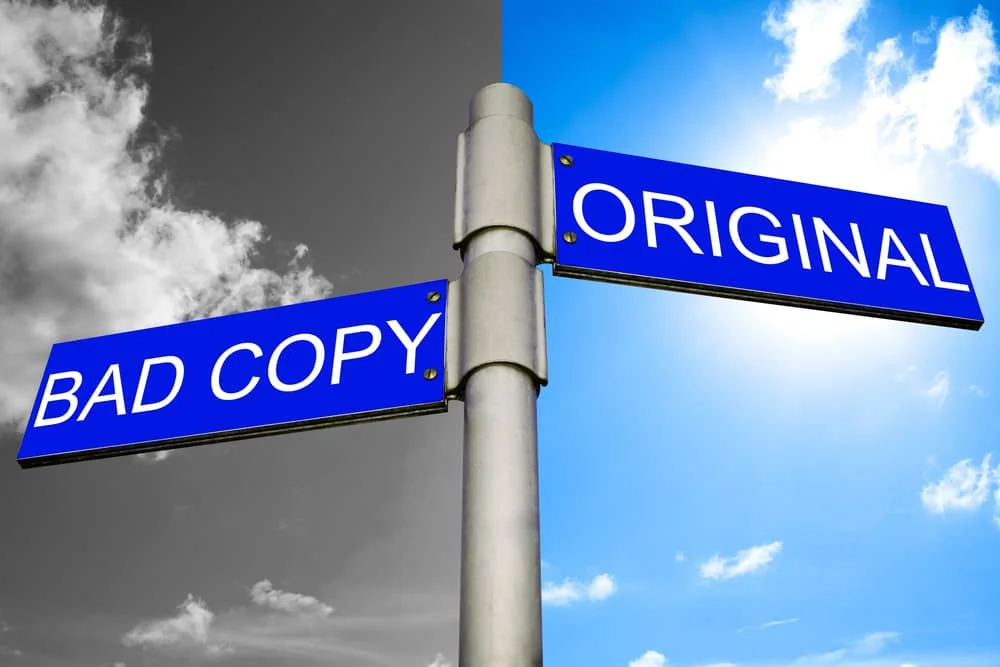
Passing someone else’s work as own is known as plagiarism. While most people are knowledgeable about how to stay away from copyright violation when it comes to images, things are not clear when it comes to the means of text and article writing.
To make it clearer let’s discuss what does and does not count as plagiarism types of plagiarism, and how to avoid committing plagiarism in article writing at all outlays.
Types of Plagiarism
-
Complete Plagiarism
Complete plagiarism is also known as content scraping. It is the most observable case of plagiarism and copyright breach. It means people will transcript word-for-word sections and other content from someone else’s work and republishes them on their own website without taking any permission or giving credit.
-
Partial Plagiarism
This type of plagiarism involves a slightly additional attempt; however, it is not proper. Partial plagiarism is when a writer takes part of some other author’s content such as complete paragraphs or half blog post and then combines it with his/her own writing. It is still not considered as his/her own unique work.

-
Lazy Plagiarism
This type is what lots of people on the web are responsible for. It happens when fundamental ideas and phrases from someone else’s work taken slowly and carefully in order to stay away from being heard or noticed. It is frequently the end result of inaccuracy, copying and pasting content from various sources. Due to this people will be unsuccessful to create something absolutely distinctive in content writing. This can be done as much purposely as by mistake.
What does not count as plagiarism?
The blame of plagiarism does not pertain when an article writer refers to information as evidence for justification of an argument or statement that is common knowledge, nonspecific, and broadly obtainable. If an article writer read a section of info in quite a lot of sources or if it’s something that his/her readers are most likely aware of, there is no requirement to disclose the resource of knowledge.
Reason to Easily Trap Into Plagiarism
It’s a fact that parts of content will always be based on what other people have already written previously. In actuality, The Skyscraper Technique does the same on an idea by collecting other people’s content and making it improved and the truth is that it actually works.
This is the most important reason for plagiarism. The pressure to generate premium content in permutation with an excess of existing resources creates a challenge for those who try to come up with unique content.
Why Avoid Plagiarism?
There are a few reasons to avoid plagiarism.
- Plagiarized content is absolutely unprofessional.
- As a professional SEO article writer, it’s a writer’s responsibility to maintain the reputations of a brand. Nobody likes a content spinner.
- Plagiarized content is not at all good for organic traffic as Google dislikes plagiarism.
- It’s a type of copyright violation which can lead to legal issues sometimes.
How to Avoid Plagiarism?
There are following tips one can keep in mind to protect their own reputation.
-
Take Time
The first step to avoid plagiarism is to plan sufficient time for the article writing procedure. One should ensure that he/she has a buffer to edit and double check content.
-
Keep Track Of Sources
While writing if a writer uses information from someone else, he/she should note it down. The better option is to include the link in his/her article.
-
Read More Than One Resource
One should do proper research. Without it, there is a lot of chance of plagiarism in content. So one should read broad and learn as much as he/she can.
-
Quote
When using someone else’s words, one must ensure that readers are aware of where those contents are coming from. So one should block quote the text and places a link back to the website from where he/she got it that content. It’s a good idea in terms of SEO.
-
Check
In the end, the best way to be sure about original content is to check article with different content checker tools. As they will compare writing to existing web sources and tell whether the content can be measured as duplicate or plagiarized.
Conclusion
Writing in own words assists in creating something fresh, shows that an article writer is aware of the content. It helps to gain knowledge of the subject and makes the time spent on an article more valuable. Always try to be careful in content writing efforts. Keep track of information resources and provide links to cited sources. By doing so, article writers can maintain their reputation and prevent discredit from lifting content from other sources.