Last updated on January 14th, 2026
📌 TL;DR: SEO Trends 2026
SEO trends in 2026 are defined by AI-assisted search, zero-click experiences, social discovery, and machine-readable content that serves both users and AI agents. This blog explains how long-tail queries, AI-generated responses, multi-surface SERPs, transactional search, and multi-agent search are changing how brands appear online. It emphasizes human-centric storytelling, intent-driven content, and structured data. Plus, you will find tips like maintaining visibility across Google, social platforms, and emerging AI search tools.
Businesses need to adapt early by optimizing for AI summaries, social search, and machine-readable decision content. This way, they will gain a competitive advantage and future-proof their organic growth in the evolving search landscape.
The New Year rings in new possibilities and opportunities for SEO. With shifts in user preferences and search ranking algorithms, you need to remain ahead for a competitive edge. This calls for a peek into SEO trends in 2026 that are expected to remain at the forefront in this domain.
My experience says that staying ahead of the curve is no longer optional – it is mandatory! I strongly feel that SEO experts will have to rethink their strategies across multiple platforms. At the same time, evolving AI tools bring both opportunities and risks.
So, let us go ahead and see how SEO trends in 2026 will shape your upcoming strategy for the year.
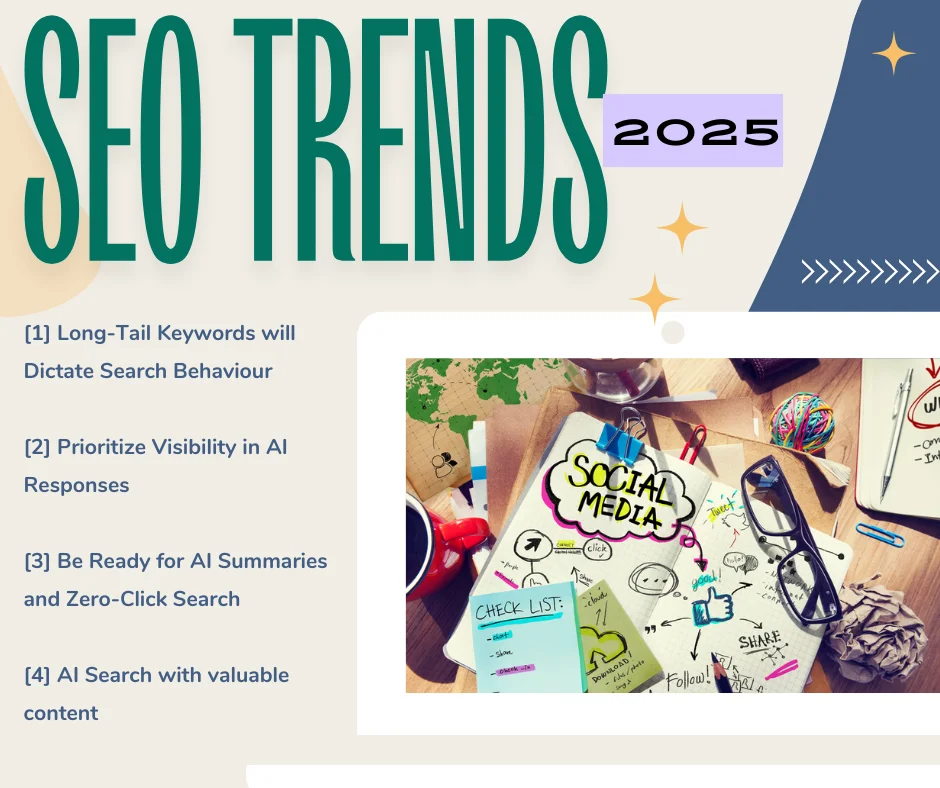
[1] Long-Tail Keywords will Dictate Search Behavior
User queries are getting more elaborate. So, a keyword like ‘white shoes’ won’t cut it anymore. People are increasingly searching for ‘men’s Nike white shoes size 11.’ As SEOs, you need to take cognizance of this trend.
These phrases typically cater to a niche audience and have a specific search intent. These are known to provide better engagement and higher conversions.
Such keywords arise with the dominance of voice of search and AI-driven search patterns. These types of keywords face less competition. Hence, you will find it easier to rank higher for these search terms.
Here are some ways how you can fine-tune long-tail keywords for SEO success-
- Use Conversational Tone: You can create specific content that naturally incorporates semantic variations of the target keywords. Here, you can try to answer specific problems or issues faced by the target audience. This will entail making how-to guides, FAQs, and in-depth tutorials.
- Use Keyword Research Tools: You may use tools like AnswerthePublic and Google Keyword Planner to know what your target audience is searching for.
- Go for Intent-driven Content: When you create content, make sure to factor in the search intent. Here is a peek into content that focuses on search intent
-
- Informational – how-to guides, tutorials, and in-depth blogs
-
- Navigational – branded content with engaging articles, videos, and podcasts
-
- Transactional – product comparison, reviews
-
- Commercial – product pages and pricing information

[2] Prioritize Visibility in AI Responses
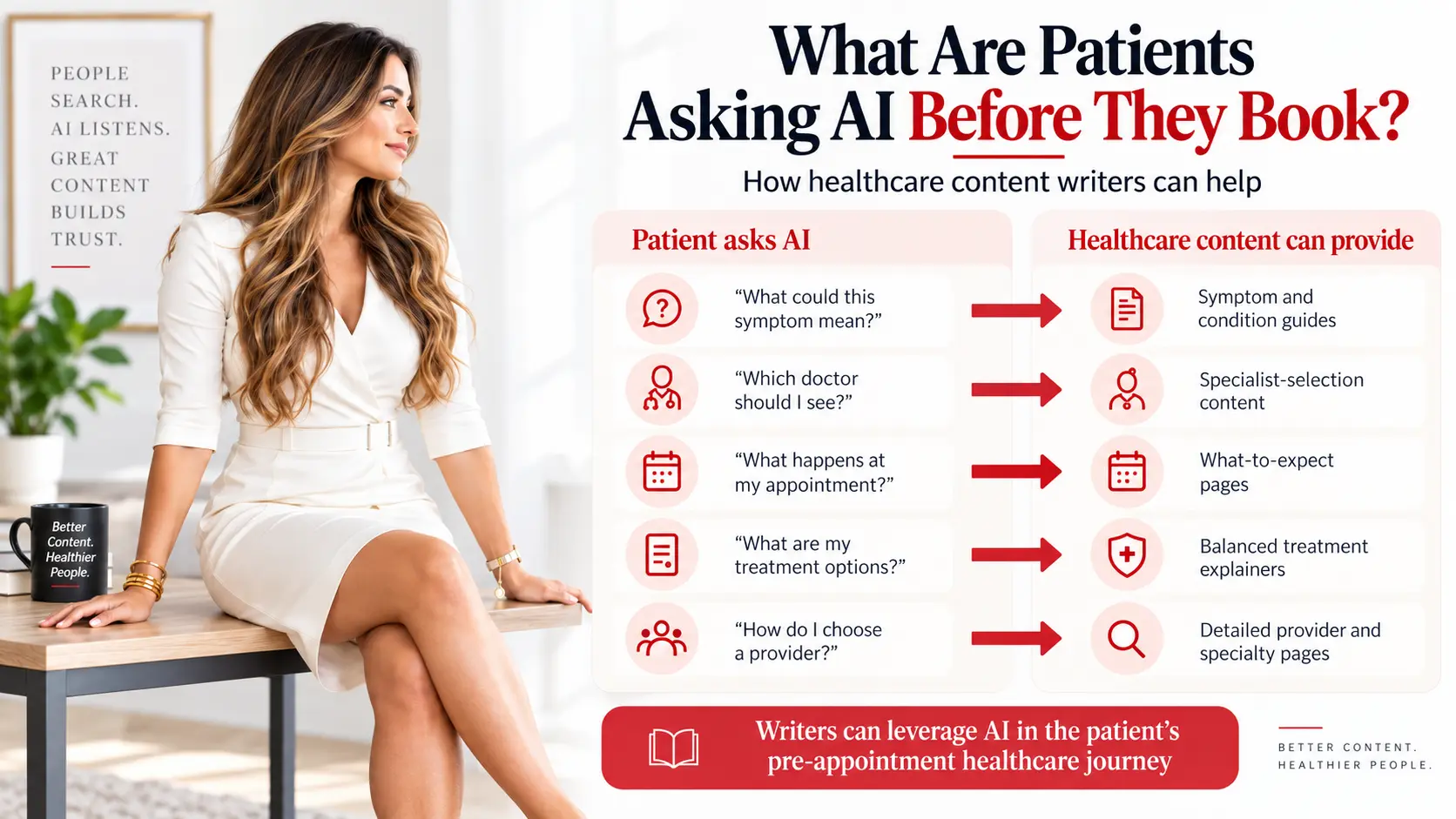
SEOs will move from ranking in search to ensuring brand visibility in AI-generated responses. ChatGPT will shape search experiences in 2026. Here, you need to focus on contextual and accurate answers that are concise.
Here are some ways you can gain more visibility in AI responses.
- Your content needs to factor in conversational relevance. Write in a natural tone that mimics how users type search queries. You should anticipate user queries and create clear and concise answers.
- Creating FAQs and include long-tail keywords in the content
- Add schema markup with structured data. This will help search bots to understand the context of the content. This will let AI tools identify relevant answers.
- List your brand in directories and industry platforms.
- Prepare AI-friendly press releases and guest posts. Engage with thought leaders. Reach out to them for collaboration or interviews.
- Engage with relevant communities to establish expertise and profile.
[3] Be Ready for AI Summaries and Zero-Click Search
The search results page of today, features a lot of elements in addition to organic search results. This leads to the rise of zero-click searches. In such results, the searcher gets their answers on the search results page instead of having to click through to another website.
The use of AI in 2026 and global rollouts of AI overviews will only heighten zero-click searches. This will cause brands to struggle with being noticed.
How to deal with this change:
- Create top-, mid-, and bottom-funnel content across formats like videos, blogs, and images to meet users at every stage.
- You can optimize for transactional search optimization. For this, you can use Google Merchant Center with Schema. This will improve product feeds and help stay visible.
- You can also use a skilled SEO company to merge SEO, UX, and CRO. For this, you need to fuse search acquisition and user engagement. Also, use conversion tactics to create seamless customer journeys.
Such an all-inclusive content strategy will definitely get you noticed in 2026.
[4] AI Search is one of the Strong SEO Trends in 2026
It is time that a new mindset is brought into your content strategy. More and more smarter AI search engines look for content instead of keyword stuff. Your content will work even harder at making a splash.
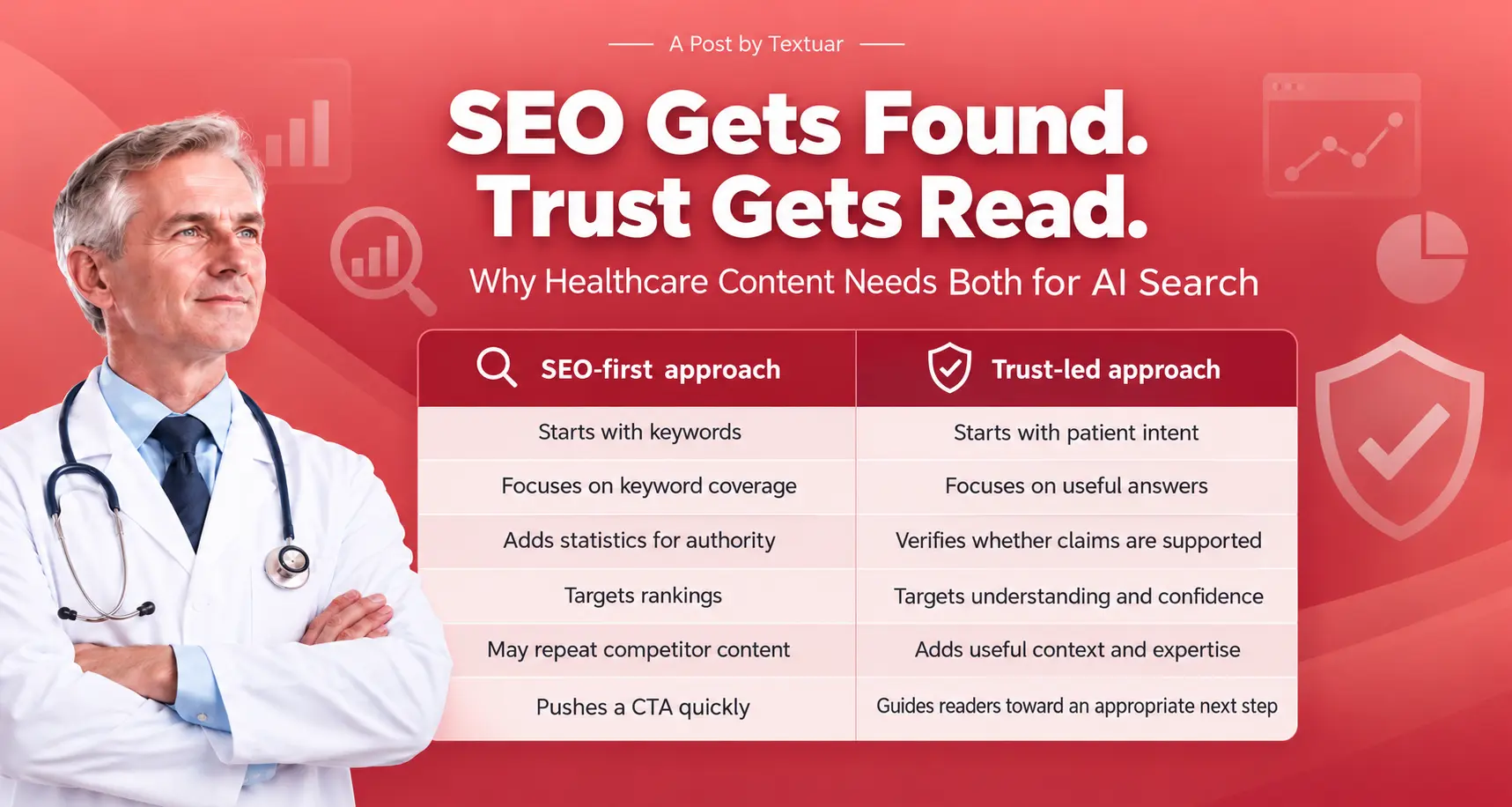
Think about how you’re creating content now. Are you just rewriting what’s already out there? That is not going to cut it anymore. Search engines can spot the difference between surface-level content and really valuable insights. You need to blend expert opinions, real customer stories, and industry data into something uniquely yours.
(Learn more – Does Google Rank AI content?)
Here’s what works now:
- Interview industry experts in your field for primary data.
- Share actual customer experiences.
- Add your unique perspective to current trends.
- Focus on creating content that combines multiple viewpoints with deep market understanding.
That is how you will stay visible when AI decides what your audience sees.
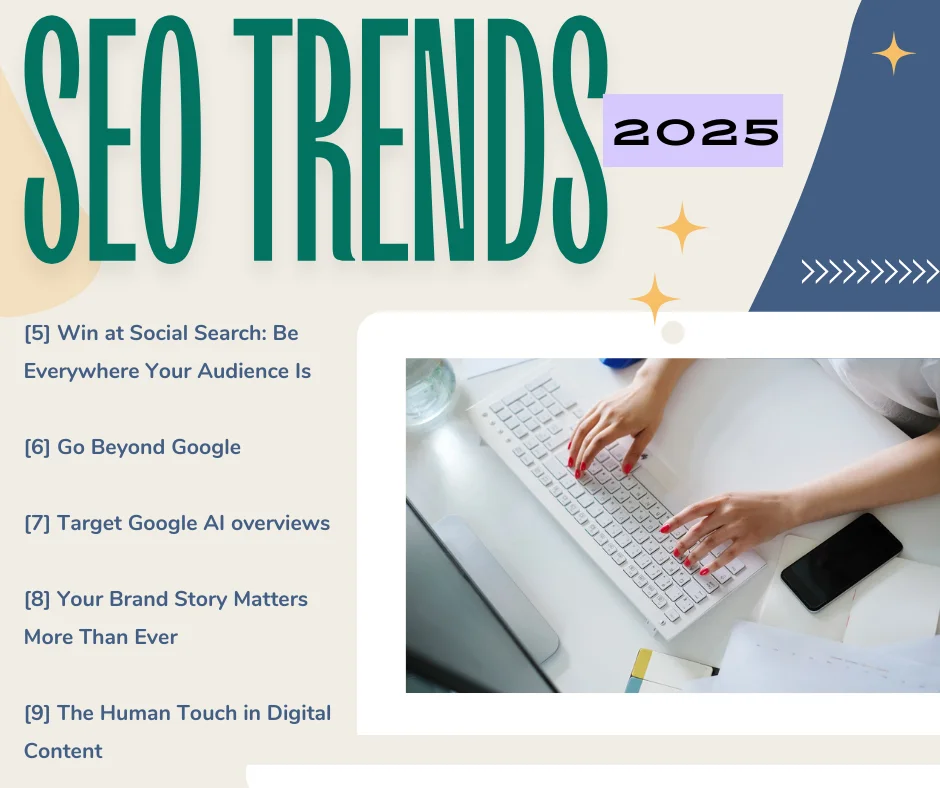
[5] Win at Social Search: Be Everywhere Your Audience Is
Rules of discovery, as per SEO trends in 2026, are changing vividly. Your future customers don’t Google anymore. They search for authentic reviews on Instagram, YouTube, and social media platforms. And this requires new approaches to creating content.
Consider your own search habits. When searching for the best smartphone or wanting to try out a new restaurant, do you go straight to Google? We think not. Like millions of others, you probably check out Instagram reels or YouTube reviews first.
Turn this trend to your advantage. How to do so:
- Turn your latest blog post into a quick Instagram carousel.
- Turn your product features into engaging YouTube shorts.
- Share your customer success stories through exciting reels.
[6] Multi-Agent AI Search Becomes Normal
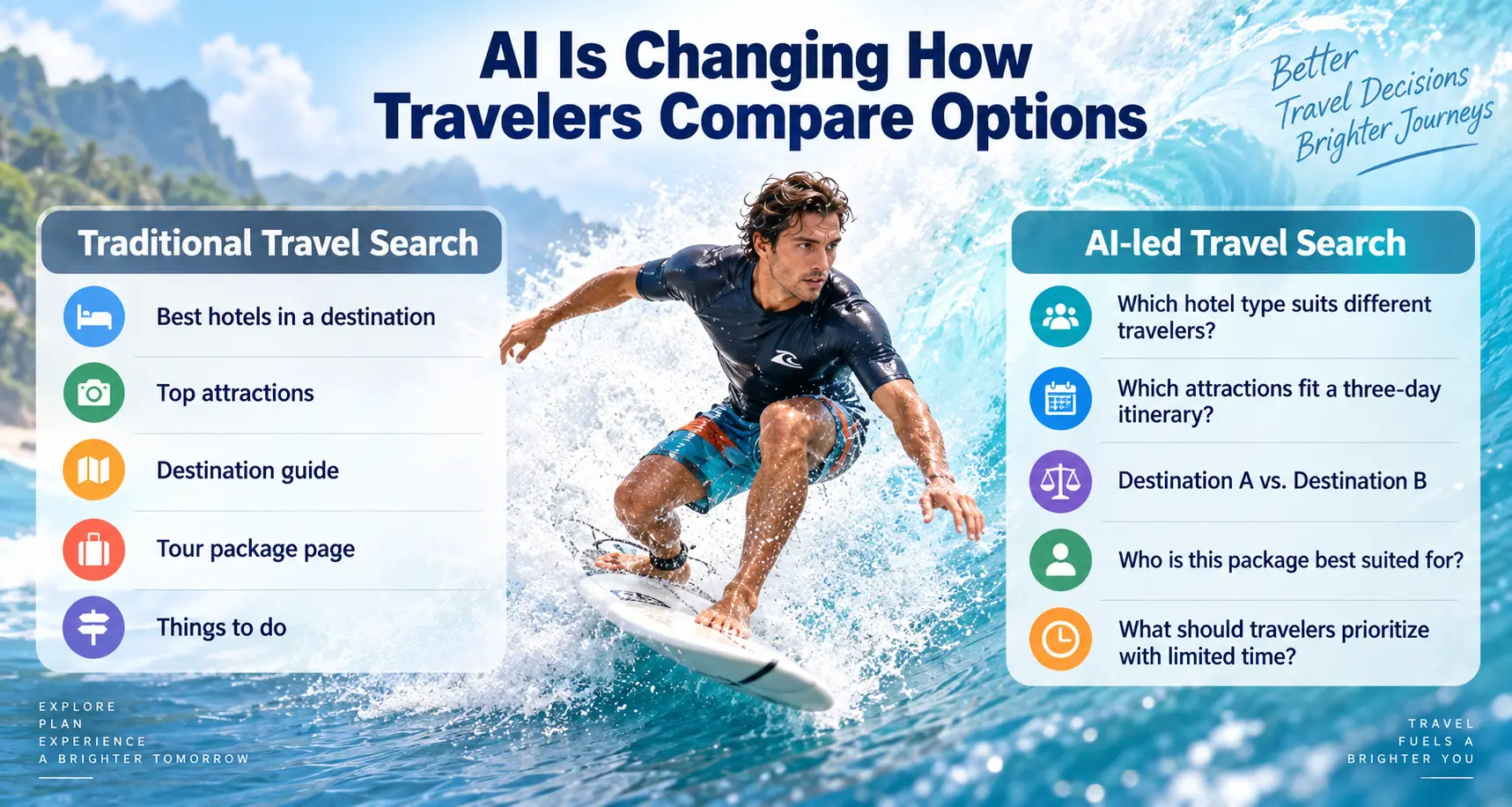
In 2026, the focus on search and click will be replaced by the search, compare, evaluate and act with the use of AI agents. Users will open one tab rather than having to open several tabs. At the same time, the agent will carry out the whole experience: searching, comparing products, sorting by price of features and even making a transaction or initiating a business request.
This model makes the content of a brand machine readable and decision ready. Pricing, documentation, frequently asked questions, product specifications, customer reviews, performance information and competitive positioning have to be specifically organized. This way, the agents can extract and summarize them clearly. The first to adapt will be the default to be presented by AI agents. This is sure to create less friction and spending less time acquiring customers.
[7] Transaction Search and End-to-End SERP Journeys
SERPs are changing to include transaction environments that are full-funnel rather than pure discovery. Users will now be able to research, evaluate, compare and buy without going off the search platform.
Maybe this is why Google, Amazon, Meta, Tik Tok and Apple are fusing the customer experience into one interface where reviews, prices, shipping, availability and checkout are in the same space.
For businesses, it implies that SEO, CRO, UX, content and product feeds must coordinate. Comparison charts, buying guides, frequently asked questions, demos and pricing transparency will be ranked higher since they will meet transactional intent. Brands that convert in the SERP ecosystem will win in 2026 instead of those waiting passively for clicks.
[8] Adapt to Google’s Shift for AI Overviews
Expect changes in how Google shows your content. All the featured snippets you have been working hard to get? Poof. They’re gone out the window. AI Overviews are the new feature in town, and business needs to act quickly.
In 2026, you should realize that SEO will not look like a format that will replace another. Instead, it is more of the existence of various search surfaces alongside one another. The featured snippets are not replaced, yet they are now placed among AI Overviews, People Also Ask modules, product lists, video blocks, perspectives, and local packs.
This is referred to as SERP unbundling and search intent is being divided into micro-experiences depending on what the user intends to achieve. The type of query that initiates informational queries, commercial queries, transactional queries and experiential queries are: informational queries will result in an explanatory block, commercial queries will result in a comparison block, transactional queries will result in a product feed, and experiential queries will result in a short-form video. The suggestion is obvious: your content has to be built in such a way that it will please every tier, rather than just pursuing a single spot in the ranking.
Focus on developing detailed content that covers all parts of your topics. Whether you’re explaining your services or sharing industry insights, think about the full context your audience needs.
[9] Your Brand Story Matters More Than Ever
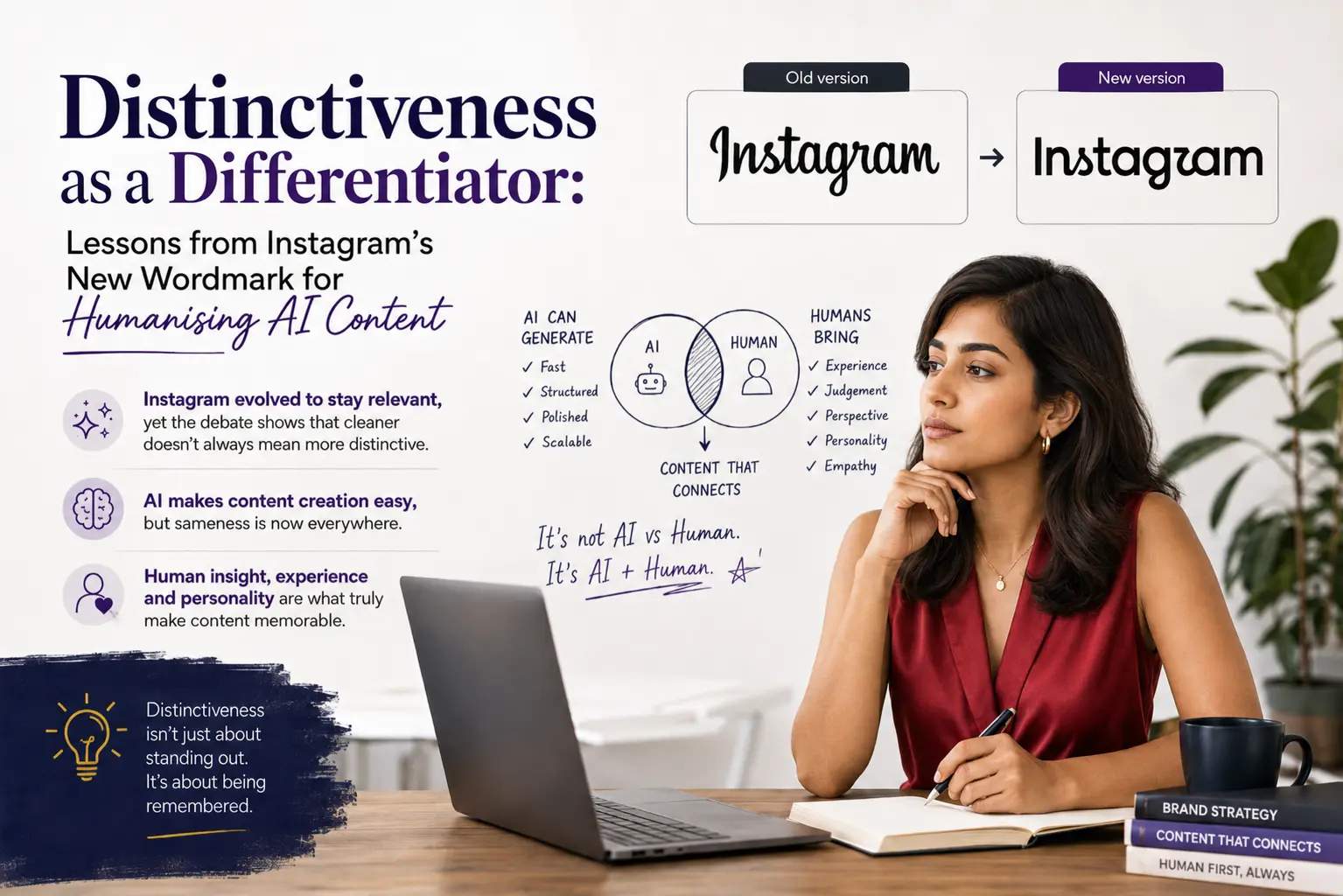
Content is undergoing a big change. AI can now write the most basic of articles and product descriptions. However, there are a few things that it cannot do: tell your unique brand story.
So, create content that tells real moments. For instance, start a podcast featuring interviews with your team members. Provide the audience with a sneak peek of the production process that goes behind it, or document your founder’s journey.
You can also use client testimonials and success stories to get incredible traction for your brand. Only authentic stories build deeper connections than any AI-generated content.
While your competitors churn out generic content, it’s the authentic story that will actually give you the real competitive edge.
[10] Put People First: The Human Touch in Digital Content
Don’t forget the human touch in the mad rush to adopt AI. Your audience wants real experiences and actual expertise. They can smell AI-generated content from a mile away. Such robotic and monotonous content will never engage the customers.
Let technology do the basics for you. Use AI tools for your keyword research and data analysis. Then, you can focus on what really matters. The below steps will help you add the human touch.
Actions you need to take:
- Make your content unmistakably human.
- Share case studies from your real clients.
- Document your company’s journey through challenges unique to the market.
- As you write on topics, add personal observations and lessons learned.
- Add a conversational element in content with the use of ‘you’ and ‘your’ in content.
Conclusion
The SEO field is also changing as we deal with digital changes in 2026. Focus on AI visibility, zero-click searches, and human-centred content to stay ahead of the game. Adapt these actions to keep your brand relevant and engaging.
Staying ahead is only possible by hiring expert SEO services offered by Textuar Communications. We will conform to SEO trends in 2026 to give you a massive competitive advantage. You can reach us today to future-proof your digital marketing and SEO strategy!
FAQs
Q – What are the key SEO trends for 2026?
The major SEO trends include optimizing for AI-generated responses and focusing on long-tail keywords. Adapting to zero-click searches and expanding beyond Google search are other notable trends that you need to look out for.
Content creators need to prioritize authentic brand storytelling and human-centric content. You need to pay attention to transaction search and End-to-End SERP Journeys as well. These steps will help you maintain a competitive advantage online.
Q – How will AI be one of the leading SEO trends in 2026?
AI will transform search behaviours by generating comprehensive answers instead of traditionally featured snippets. SEOs must optimize content for AI visibility by using schema markup and creating conversational content. The emphasis here is to offer contextual answers.
While AI can handle basic content creation, you should not use it for anything deeper. A successful strategy will fuse AI efficiency with human expertise and authentic stories.
Q – Why are long-tail keywords becoming more important?
Long-tail keywords are gaining prominence due to the rise of voice search and AI-driven search patterns. These specific phrases reflect more detailed user queries. SEOs have reported that they typically have higher conversion rates due to clear search intent.
Such keywords face less competition and let brands target niche audiences more effectively. You can enable this benefit via specialized content like how-to guides and in-depth tutorials.
Q – How can businesses maintain visibility in zero-click searches?
You need to be tactical when combating zero-click searches. For this, you need to create comprehensive content across different funnel stages and formats. This includes optimizing product feeds through Google Merchant Center and implementing proper schema markup.
When you combine SEO with user experience, you will see an uptick in conversion rate optimization. It will also help you create seamless customer journeys and maintain visibility.