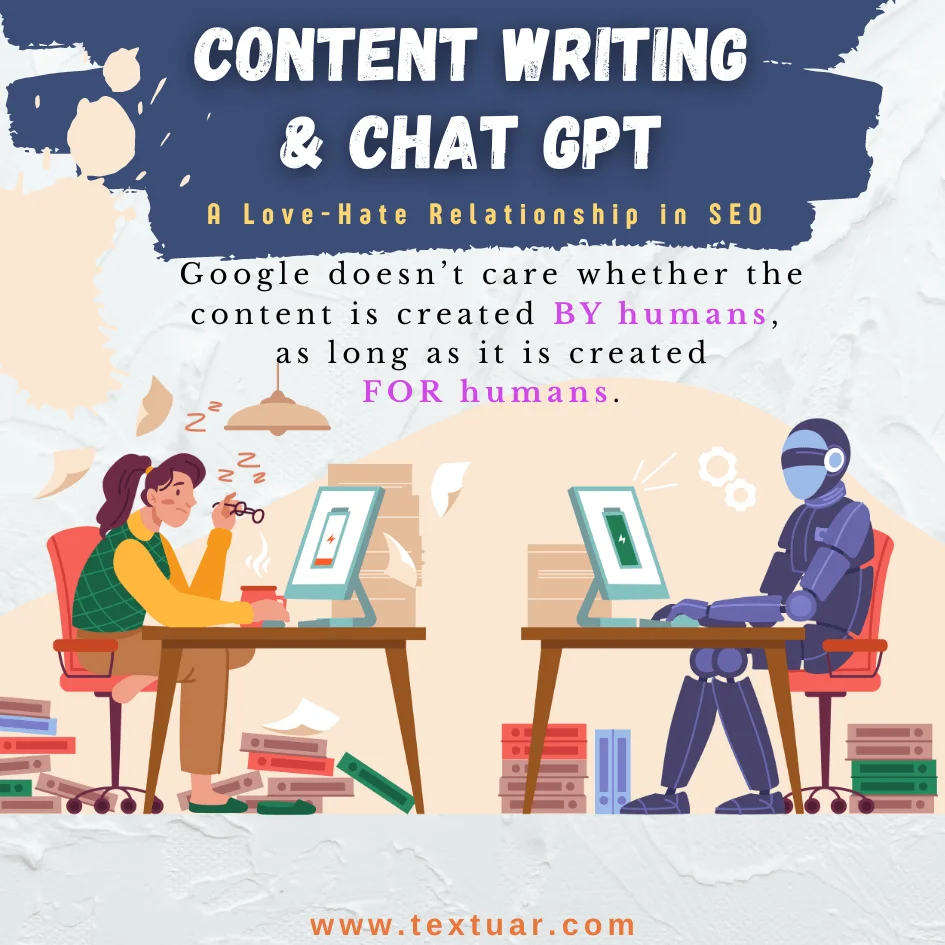
Machine learning is the backbone that powers Chatbot ChatGPT (Generative Pre-trained Transformer). It learns from pre-fed information to predict what the next sentence of content will be. This way, when you input a query, it will respond by generating human-like responses in real time.
So, all is well on the SEO content writing front, right?
Well, not entirely.
Let’s dive deeper into this aspect.
We see why ChatGPT articles are not recommended for quality SEO content writing. We also see how it can be leveraged without compromising on SEO ranking.
What do you need to know about ChatGPT for SEO content writing?
Many content writers claim that they use ChatGPT for writing articles and blogs on various topics. Its large Machine learning ‘brain’ can take any topic you provide. In return, it will provide an article on that particular topic.
Such AI-generated content has been widely considered one of the hottest trends of 2023. But when Textuar compiled its list of 2023 content writing trends, we diverted from this norm. We deliberately left out AI-generated content from the list.
Here are some reasons why.
1 – It is against Google Webmaster Guidelines
Google search key advocate John Mueller had explicitly mentioned AI-generated content to be ‘spam’ in his April 2022 hangout session. In the past, Google penalized auto-generated content. But recently, we have seen a shift in this narrative.
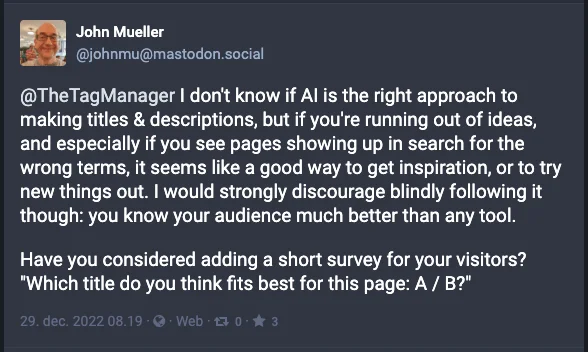
This is a screenshot of a Mastodon post by John Mueller. It shows that Google is now more accepting of AI content. This is especially applicable to titles and descriptions.
So yes, there has been a greater acceptance of AI tools by the search engine giant in the last few months. Plus, it is now penalizing “spammy automatically generated content.”
2 – Storytelling takes a backseat
The key essence of content creation in SEO is to evoke emotions in the readers’ minds. Such emotions enable a better likelihood of action in favour of the brand. Appealing stories will attract readers.
But this is not a forte of AI content. It needs the human touch provided by actual SEO content writers.
AI robots can indeed implement logical decision-making when writing content. However, there is a limitation. They cannot be emotionally stimulating or even entertaining as a human writer.
So, they are mind-blowingly good for coding (which may follow a set of clear commands). But when it comes to opinionated pieces of content,
3 – Human writers will be more responsible now
A common myth floating around is the AI-content generation will make writers go out of work. We want to differ with this thought for the following reasons –
– AI content lacks creativity. It will churn out only that text fed in the machine learning phase.
– AI content has proven to be dangerously unreliable in far too many cases.
– It tends to produce outdated content since its ML framework is limited to events prior to 2021.
– Its in-built biases mean that human intervention is needed to steer content generation in the right direction.
These red flags mean that human writers will now play a more pronounced (yet evolving) role in checking the context and accuracy of the AI-generated article. They will have a key role to play in every stage of how AI content is conceptualized, deployed, and utilized.
4 – ChatGPT requires elaborate instructions
The relevance and accuracy of ChatGPT output depend on the input provided by the SEO writer. The more the instructions provided, the better is the output. This can be a good benefit. But you need to remember that this can be a negative point as well.
When you run multiple iterations of the same query, you can be assured of one thing. The various copies offered by the AI tool will have vastly different word choices. But the underlying tonality and flow will remain the same.
As a result, readers may not find anything useful or valuable when they read AI-generated content.
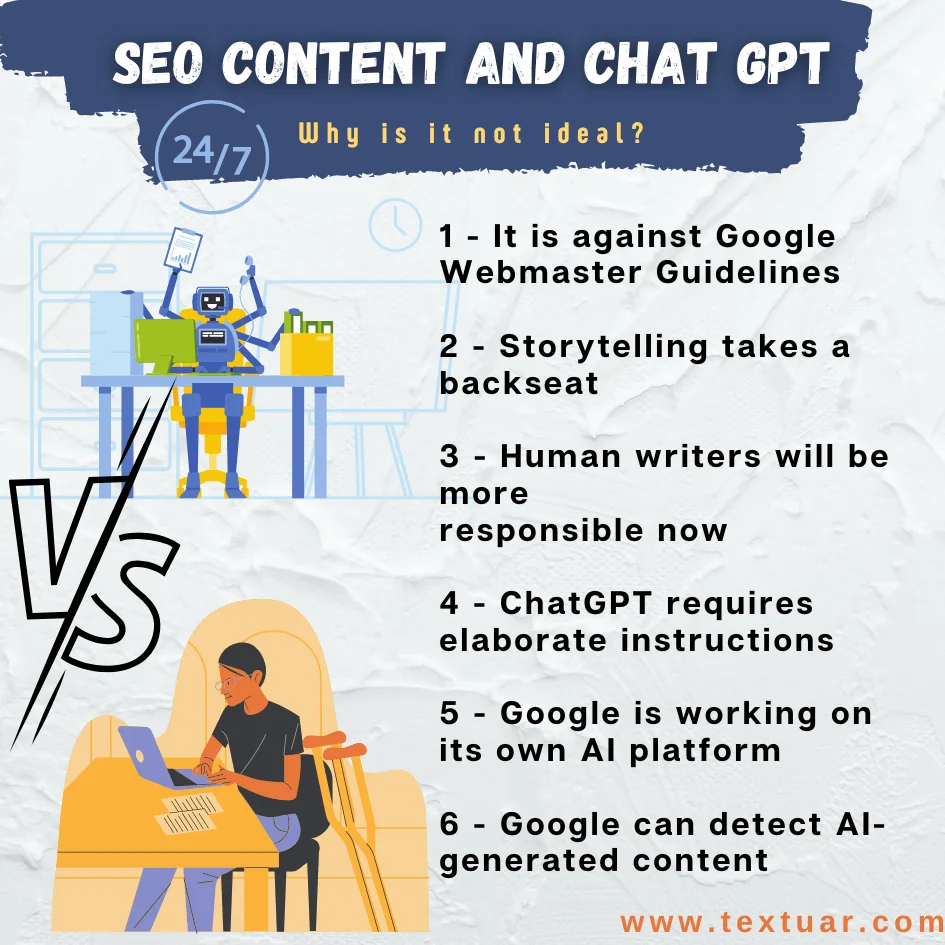
5 – Google is working on its own AI platform
Google AI engineers are working on a similar platform to compete with Open AI, named as Google BARD AI. The difference is that Open AI uses data pre-fed by the technicians. On the other hand, Google is already sitting on a goldmine of user data of billions of users. Hence, when Google rolls out its version, it will surely overtake Open AI due to the accurate data it has with it.
So, the extent of Open AI’s success will depend solely on Google’s AI engineers.
Google will surely tweak its algorithms later. As a result, it will favour results generated from its own platform instead of competing platforms.
6 – Google can detect AI-generated content
We know that Google despises spammy auto-generated content. But a greater problem for black-hat SEO writers is that there are various tools that can help detect auto-generated content.
When we talk about ChatGPT, we see that it watermarks auto-generated content on its tool. Such watermarking is based on cryptography. As a result, anyone who has the key can check the document for the presence of a digital watermark.
This TechCrunch article shows Open AI’s work done to watermark its ChatGPT outputs.
You can use online detection tools that will uncover such watermarks. As a result, it becomes easy to detect content generated by ChatGPT. Google may use this philosophy to penalize sites that pass this watermark detection test.
When will AI content be useful in the eyes of Google?
Does this mean that all is lost for SEO when it comes to ChatGPT content?
Well, not really.
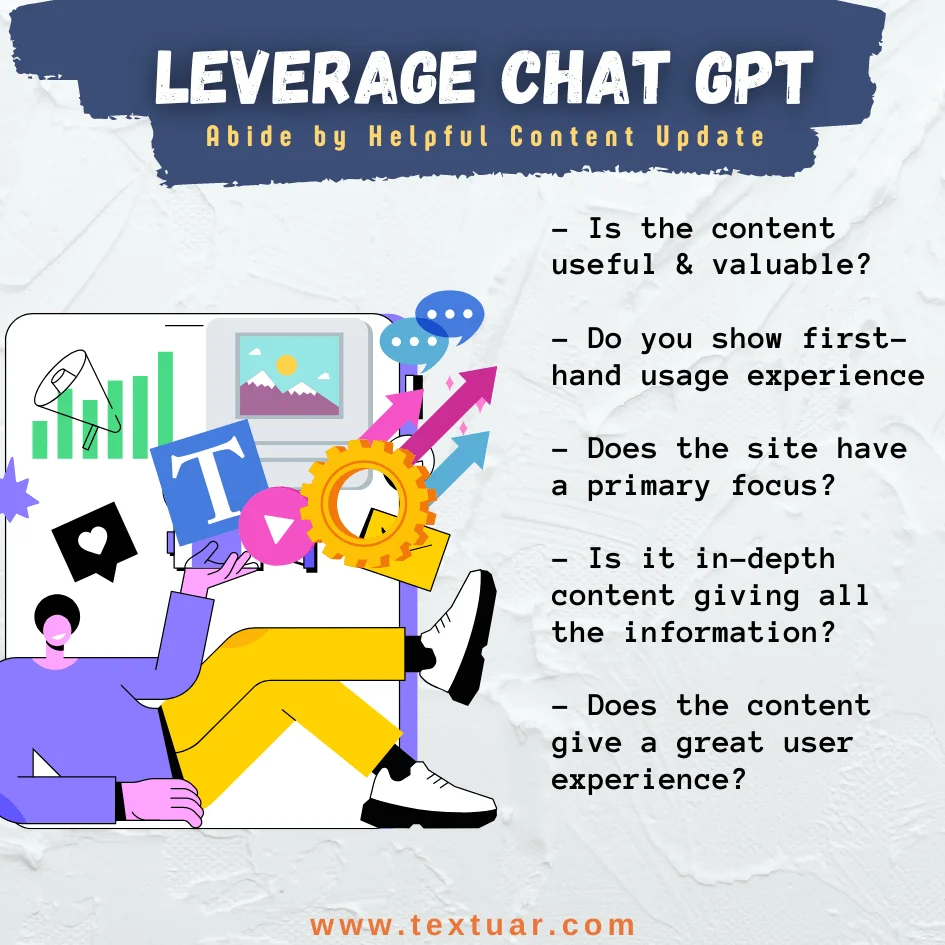
Smart SEO content writing experts need to leverage the tool without harming the website’s rankings. Let’s see how they can do this.
Google has always stressed on ‘people-centric’ content. So even if content writing agencies use AI for generating content, they need to be diligent. They cannot directly publish it online. Writers will need to add the human element needed to make if ‘people-centric’.
They can do this by adhering to the 2022 Helpful Content Update.
Under this important algorithm update, writers can check for the following points.
– Is your content useful for your existing or targeted audience?
– Do you show first-hand experience on the product you are writing about?
– Does the site have a primary/central focus?
– Is your content deep enough to provide all the information possible to the readers?
– Will the content generate a great user experience?
If your content ticks all the boxes above, then your content will get lots of love from Google.
To sum it up
ChatGPT does look promising for SEO content writing. But writers need to know if the tool makes them efficient or harms SEO rankings.
Historically, Google has penalized AI-generated content by marking it as spam. This has resulted in loss of rankings for many brands. But SEO content writers can approach it to ensure that it aligns with the Helpful Content Update guidelines.
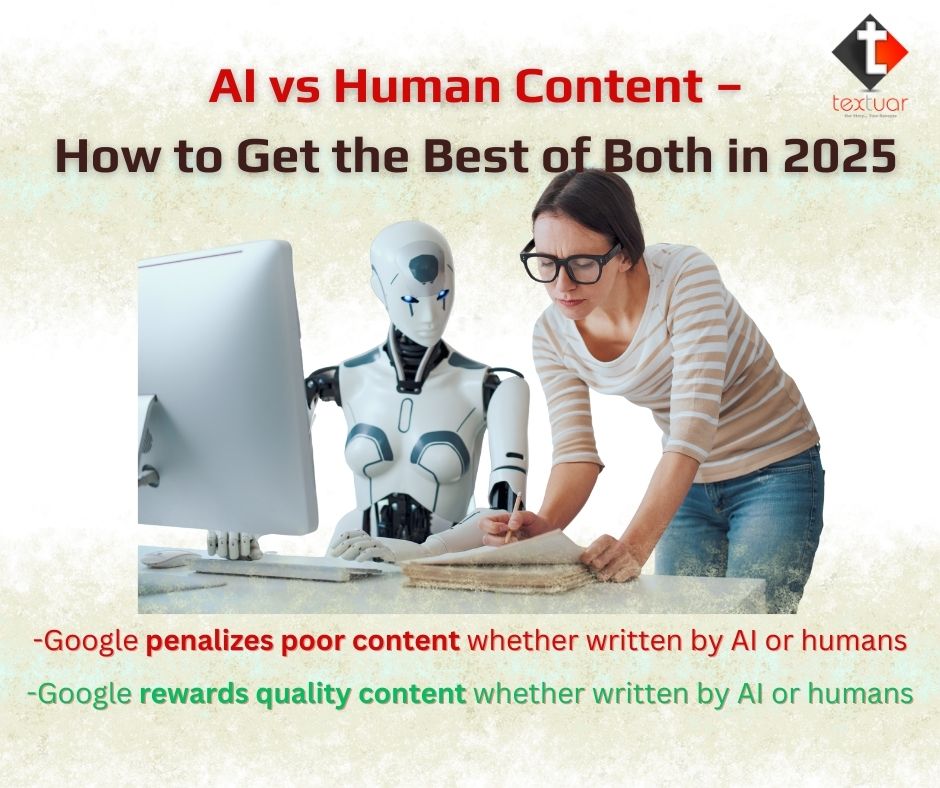
Always Remember – Google doesn’t care whether the content is created BY humans, as long as it is created FOR humans.